
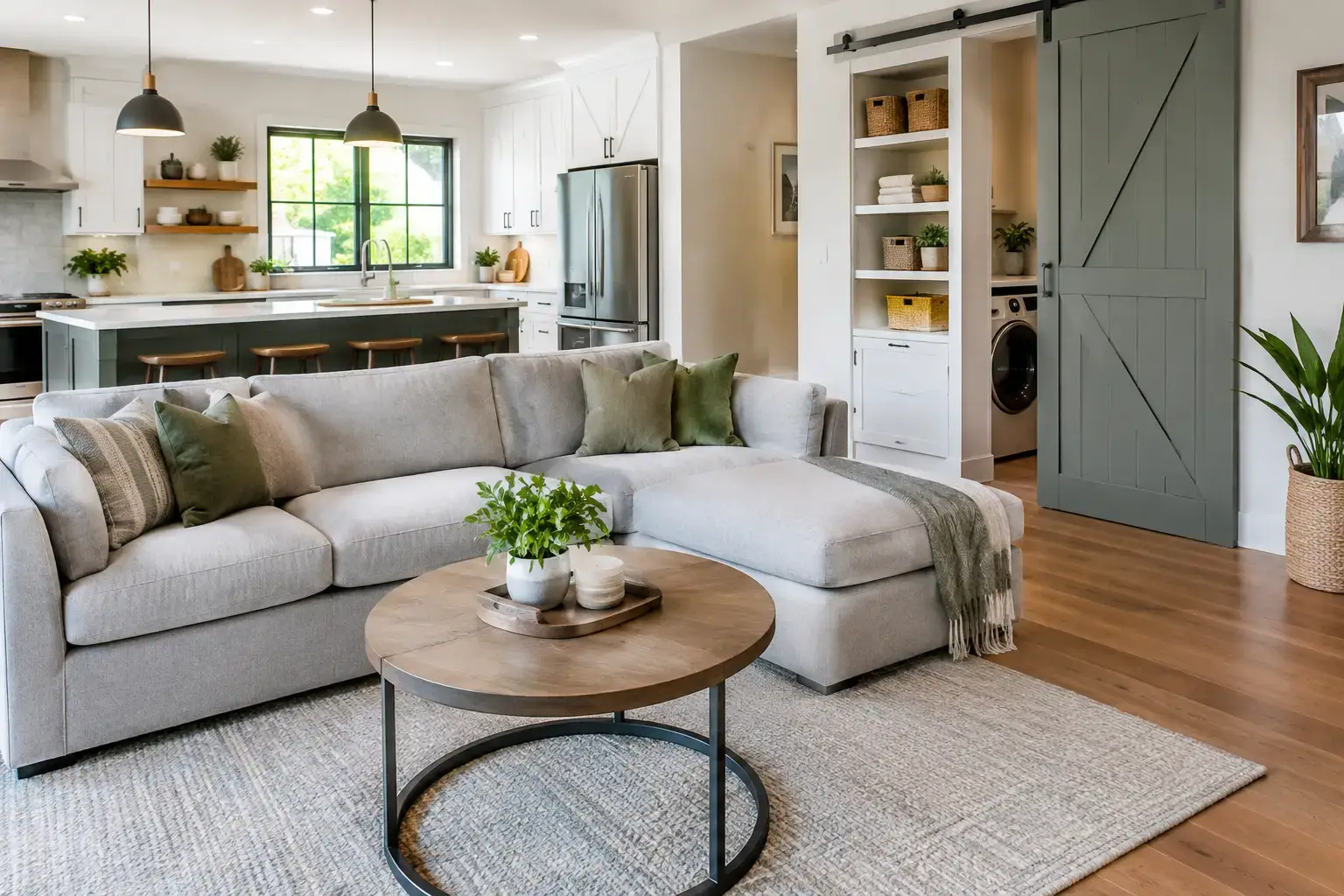
A home can feel too small long before it actually is. A cramped kitchen, an unused dining room, poor storage or a tired layout can make daily life harder than it needs to be. Well-planned home renovations address those frustrations at their source, creating a property that suits the way your household lives now while strengthening its long-term value.
The difference between a successful renovation and a stressful one is rarely down to a single design choice. It comes from clear planning, realistic expectations and reliable management from the first conversation through to the finishing touches.
Start With How Your Home Needs to Work
It is tempting to begin with finishes: the kitchen style, the flooring or the colour of the walls. Those decisions matter, but they should follow a more fundamental question: what is not working in your home today?
For some households, the priority is making space for a growing family. For others, it is creating a better connection between the kitchen, dining and garden areas, updating an outdated bathroom or bringing an older property up to modern standards. A renovation should solve practical problems as well as improve appearance.
Think about how each room is used at busy points in the day. Where do people gather? Where does clutter build up? Which spaces are underused? This gives your project a purpose and helps prevent money being spent on changes that look impressive but do little for everyday comfort.
A ground-floor reconfiguration, for example, may create a more sociable family space without the cost and planning requirements of a full extension. In other cases, an extension, loft conversion or garden room is the more sensible route because the home genuinely needs additional floor area. The right answer depends on the property, the budget and the life you want it to support.
Plan Home Renovations Around Priorities
Every project has a budget, so establish priorities before work begins. Divide your plans into essentials, worthwhile improvements and optional extras. Structural repairs, electrics, plumbing, insulation and ventilation should never be treated as areas to compromise on. These are the parts of a renovation that protect the building and support everything installed afterwards.
A clear scope also reduces the risk of confusion once work is under way. It should set out what is being altered, the materials or finishes expected, who is responsible for each stage and any decisions that still need to be made. A detailed plan does not remove every possible change, but it gives everyone a shared starting point.
It is wise to keep a contingency allowance for older homes and more complex work. Opening up walls or floors can reveal issues that were impossible to see at survey stage, such as ageing pipework, inadequate support or damp-related repairs. Allowing for this from the outset is more practical than assuming the original figure will cover every eventuality.
Design for Daily Life, Not Just First Impressions
The best renovations feel natural to use. They make preparing meals easier, improve storage, bring in more daylight or give each family member a little more breathing room. Good design is often quiet rather than showy.
In a kitchen renovation, circulation matters as much as cabinetry. There should be enough room for people to move safely around open doors and drawers, and work areas should make sense for cooking, clearing up and entertaining. In a bathroom, storage, lighting and ventilation can have as much impact as the choice of tiles.
Natural light deserves careful thought too. Larger windows, rooflights and glazed doors can transform a room, but they need to be balanced with privacy, thermal performance and overheating in warmer months. The aim is not simply more glass. It is a comfortable space that works throughout the year.
Storage is another area that is often underestimated. Built-in cupboards, utility areas, understairs storage and carefully planned wardrobes can remove pressure from living spaces. When storage is considered early, it can be integrated neatly rather than added as an afterthought.
Respect the Character of the Property
Renovation does not have to mean stripping away everything that makes a home distinctive. Period features, original proportions and established materials can often sit comfortably alongside modern layouts and efficient upgrades.
This is particularly relevant in older Essex properties, where a new addition should feel considered rather than disconnected from the existing building. Matching brickwork, rooflines, window proportions and internal details can make a significant difference to the finished result. A good contractor will consider how old and new meet, not just how each element looks on its own.
Choose a Contractor Who Can Manage the Whole Project
Most substantial renovations involve several trades. Builders, electricians, plumbers, plasterers, decorators, kitchen fitters and specialists all need to work in the right sequence. Without clear coordination, small delays can quickly affect the programme, budget and quality of the finish.
A contractor that manages the project from consultation through to completion provides one point of responsibility. This helps homeowners avoid chasing separate trades, resolving clashes between schedules or trying to work out who should address a problem. It also creates a clearer route for updates, decisions and sign-off at each stage.
Before committing, ask how the work will be planned and supervised. You should understand the expected timetable, what will happen before work starts, how changes will be handled and who you can speak to during the build. The lowest quote is not always the best value if important work has been omitted or the project relies on vague allowances.
Reliable communication is just as important as workmanship. Living through a renovation can be disruptive, particularly when kitchens, bathrooms or main living areas are affected. Knowing what is happening next, when trades will be on site and whether a decision is needed makes the experience far more manageable.
Prepare for Disruption With a Realistic Plan
Even well-run home renovations create dust, noise and a temporary change to routines. Planning for this honestly makes a major difference. If a kitchen is being replaced, consider where meals will be prepared. If the only family bathroom is out of use, agree the sequence of work and temporary arrangements before the start date.
Protecting occupied areas should be part of the site set-up. This may include dust barriers, floor protection, controlled access routes and regular clearing of work areas. The exact approach depends on the scale of the project, but cleanliness and respect for the home should never be treated as optional.
Some disruption cannot be avoided, especially during structural work or first-fix services. What homeowners should expect is clear notice, a sensible programme and a team that keeps the site as safe and orderly as possible.
Avoid Late Changes Where You Can
Changes after work has started are sometimes necessary, but they can affect cost and timing. A different tile choice may be simple to accommodate early on; moving a doorway once walls have been opened is a more significant decision. Make key choices on kitchens, bathrooms, lighting, flooring and ironmongery as early as possible so materials can be ordered and trades can work without avoidable pauses.
That does not mean rushing decisions. It means allowing enough time before the build to compare options, confirm lead times and choose finishes you will still be happy with years from now.
Focus on the Details That Protect Value
A polished renovation is built on details that are easy to overlook during early planning. Consistent levels between rooms, neatly positioned sockets, properly aligned joinery, well-finished tiling and clean transitions between materials all contribute to a home that feels complete.
Energy efficiency should also form part of the conversation. Improved insulation, effective glazing, modern heating controls and well-planned ventilation can make a property more comfortable and may reduce running costs. The most appropriate upgrades depend on the age and construction of the home, so they should be considered as part of the wider project rather than added without a plan.
At Build 247 Construction Ltd, the aim is to keep homeowners informed while delivering work with the care, organisation and finish quality a major investment deserves. A renovation should leave you with more than attractive rooms. It should give you a home that is easier to live in every day, and confidence that the work has been done properly.
The most useful first step is to write down the three changes that would make the biggest difference to your home. That simple exercise turns a vague idea into a focused conversation and gives any future project a stronger foundation.