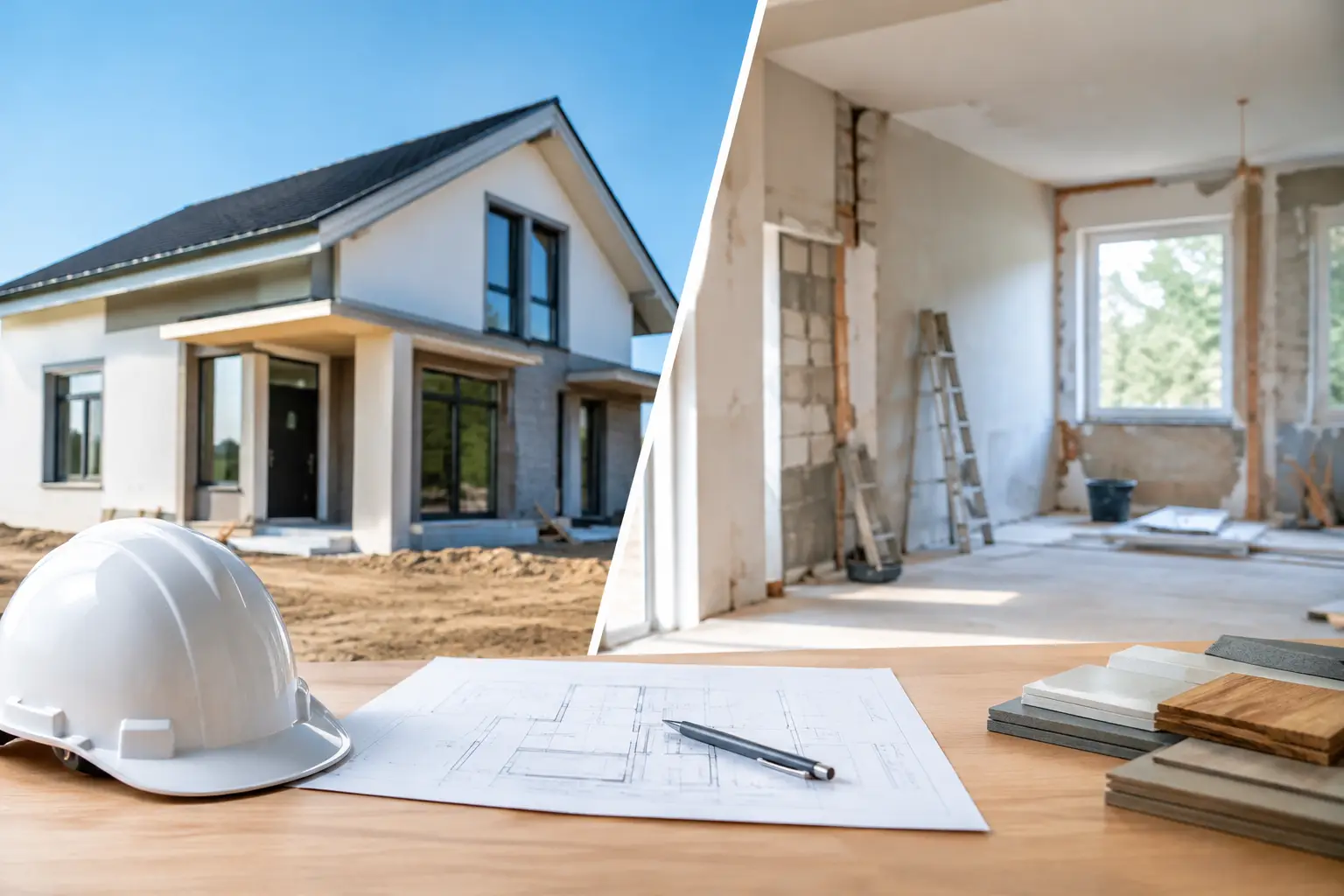
When a home starts to feel one bedroom, one bathroom or one practical living space short, the question is rarely whether to invest. It is where that investment will deliver the best result. The new build vs renovation decision can shape your budget, timescale, daily routine and the long-term value of the property, so it deserves more than a quick comparison of square metres.
For many homeowners, renovation means improving the house they already know and love. A new build can mean constructing a replacement home, creating a separate dwelling on available land or starting afresh on a site that no longer suits the existing building. Both routes can create a better home, but they solve different problems.
Start With What Your Home Cannot Do
A renovation is usually the right starting point when the property has sound fundamentals but no longer works for your family. Perhaps the layout is closed off, the kitchen is undersized, the loft is unused, or the finishes and services are tired. A considered renovation can retain the character and location you value while making the house more comfortable, efficient and useful.
It may involve a single major improvement, such as a loft conversion or rear extension, or a wider programme of structural alterations, reconfiguration and refurbishment. The key benefit is that you are improving an existing asset rather than paying for a completely new structure. If the home is in the right area, close to schools, family or transport links, that can carry real value beyond the build itself.
A new build is more compelling when the limitations are built into the property. Poor foundations, severe structural defects, a restrictive layout, very low ceiling heights or extensive damp and ageing services can make refurbishment increasingly difficult to justify. There comes a point where adapting every room costs more, takes longer and delivers less than designing the space properly from the ground up.
New build projects also offer the greatest freedom. You can plan room sizes around how you live now, create better connections to the garden, include accessible features and build in storage from the outset. That flexibility is valuable, but it comes with a larger planning, design and construction commitment.
New Build vs Renovation: Comparing the Costs
It is tempting to assume renovation is always cheaper. Often it is, particularly where the work is focused and the existing structure is in good condition. But the headline figure does not tell the whole story.
Renovation costs can change once work begins. Opening up walls may reveal outdated wiring, hidden water damage, inadequate support, poor insulation or previous alterations that need correcting. A thorough survey and a detailed scope reduce the risk, but older homes can still hold surprises. A sensible contingency is part of responsible planning, not a sign that the project is poorly managed.
New build costs are generally easier to define once the design, ground conditions and specification are understood. However, they include items that do not apply to many renovations: demolition, site preparation, drainage, new utility connections, full external works and potentially temporary accommodation. The cost of planning, surveys and professional design work can also be more substantial before construction starts.
The better question is not simply, Which option has the lower starting price? Ask which route provides the space, quality and future performance your household needs for the money available. A low-cost renovation that still leaves awkward rooms or expensive problems unresolved may not represent good value. Equally, a new build with features you do not need can stretch a budget without improving everyday life.
Planning, Permissions and Practical Constraints
Planning requirements can influence the decision early. Some home improvements may be possible under permitted development rules, although this depends on the property, location and scale of the work. Larger extensions, major alterations, listed buildings and homes in conservation areas often require more careful consideration.
A new build normally has a more involved planning route. The principle of a new dwelling, its appearance, access, parking, drainage and impact on neighbouring properties may all need to be addressed. If demolition is being considered, local planning policies and the condition of the existing building will matter too.
Building Regulations apply to both routes, but a new home must meet current standards throughout. This can provide benefits in insulation, ventilation, electrical safety and energy efficiency. Renovation work also needs to meet relevant standards, yet integrating modern performance requirements into older construction can be more complex.
There are practical constraints outside the planning process as well. Party wall matters, access for deliveries, neighbouring homes, tree protection and service connections can all affect the programme. Early conversations with an experienced contractor help identify these issues before they become delays on site.
Disruption Matters as Much as the Build Cost
A renovation can be less disruptive than moving, but it is not always easy to live through. Kitchens, bathrooms, heating systems and structural openings can take key rooms out of use for periods of time. Dust control, safe access, temporary facilities and clear phasing make a noticeable difference to the experience.
For a large-scale refurbishment, moving out may be the more comfortable and efficient option. It allows trades to work in sequence without needing to protect occupied areas every day, and it can shorten the overall programme. This should be included in the budget from the beginning rather than treated as an unexpected extra.
A new build may allow you to remain in your current home while construction takes place, provided the site is separate and access can be managed safely. If the project involves replacing your existing house, temporary accommodation is unavoidable. In either case, clear communication is essential. Homeowners should know what is happening next, which areas will be affected and when key decisions need to be made.
Design Freedom, Character and Energy Performance
Renovation is often the best way to preserve the features that made you buy the house in the first place. Original brickwork, period proportions, fireplaces and established gardens can be retained while the internal layout becomes more suited to modern family life. The strongest renovation projects respect the existing property rather than forcing it to become something it is not.
That said, working with an older home means accepting some compromise. Existing walls, rooflines and floor levels may limit what is possible. Matching materials and making new work sit naturally alongside old construction requires careful detailing and good workmanship.
A new build gives you a clean canvas. It can be designed around natural light, efficient heating, high levels of insulation and lower running costs from day one. You have more control over the flow between rooms, the position of windows and the balance between open-plan and private spaces.
But new does not automatically mean better. A well-designed renovation can be highly efficient and beautifully finished, while a poorly specified new build can feel generic or impractical. The quality of the design, the clarity of the specification and the standard of construction matter more than the label attached to the project.
Consider Long-Term Value, Not Just Resale Value
Both options can add value, but the most dependable return is a home that meets your needs for longer. Extra bedrooms, a usable kitchen-dining area, good storage, improved kerb appeal and lower energy costs can all make a property more attractive. Over-improving for the street or local market, however, may limit the financial return.
Think about the next five to ten years. Will the layout still work if children become teenagers, an elderly relative visits regularly or you begin working from home more often? Is the garden still usable? Can the property adapt without another major project? These questions often make the answer clearer than a simple estimate of resale price.
Make the Decision From a Proper Brief
Before choosing a route, write down what must change, what would be nice to have and what you are prepared to compromise on. Include your likely budget, preferred completion date, need for temporary accommodation and the features that will genuinely improve daily life.
The next step is to test those priorities against the property. A site visit, measured survey and early discussion about design options can reveal whether renovation has enough potential or whether new build offers better value. Detailed quotations should clearly identify what is included, what assumptions have been made and where allowances or contingencies may apply.
For homeowners in Essex planning substantial improvements, Build 247 Construction Ltd takes a managed approach from early consultation through to completion. The aim is not to steer every client towards the biggest project, but to provide clear advice, organised delivery and workmanship that stands up to everyday use.
The right choice is the one that gives your household a home that works properly, with a realistic budget and a construction plan you can trust. Taking time to define the problem before choosing the solution is usually the most valuable first investment you can make.