If you are weighing up whether to move or improve, it is natural to ask: will a loft conversion add value? For many homeowners, the attraction is obvious. You gain more usable space without sacrificing garden area, and you avoid the cost and upheaval of moving. But added value is never just about creating an extra room. It comes down to how well the new space fits the house, the standard of the build, and what buyers in your area are actually prepared to pay for.
In many cases, a well-planned loft conversion does increase a property’s value. It can also make the home easier to live in now, which matters just as much for families who need more room but do not want the stress of relocating. The key is understanding where the value really comes from and where mistakes can limit it.
Will a loft conversion add value in every home?
Not automatically. A loft conversion has the best chance of adding value when it solves a real space problem and feels like a natural part of the house rather than an afterthought.
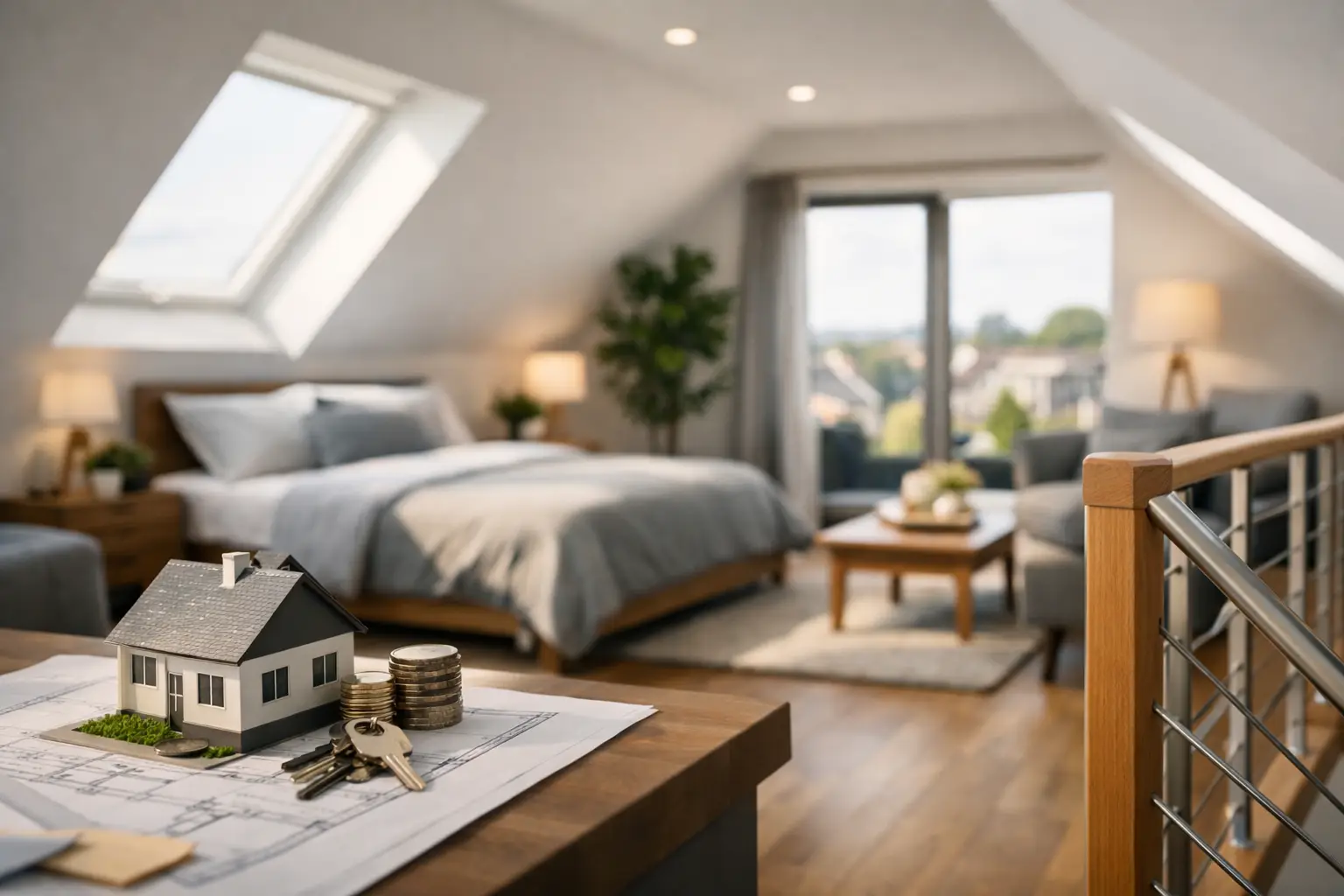
If your home currently has two or three bedrooms and the loft conversion creates a genuine additional bedroom with sensible ceiling height, natural light and proper access, that can be very attractive to buyers. A main bedroom with an en suite is often especially appealing because it improves both space and layout. In practical terms, buyers are not just paying for square footage. They are paying for a home that works better.
That said, there are limits. If the loft space is too tight, the staircase is awkward, or the conversion compromises existing rooms below, the uplift may be less impressive than expected. A badly designed conversion can make a house feel cramped even if it technically has more rooms.
What actually drives the added value?
The biggest factor is usable accommodation. Estate agents and buyers respond well to extra living space that feels permanent, comfortable and properly integrated into the property. A bright bedroom, home office or guest suite is far more valuable than a space that feels dark, narrow or difficult to furnish.
Layout matters just as much as size. A loft room that can only be reached by a steep, intrusive staircase or one that steals too much space from a bedroom below may weaken the overall result. Good design protects the flow of the home while making the loft feel like it has always belonged there.
Build quality also has a direct impact. Buyers notice poor finishes, uneven plastering, weak joinery and shortcuts in the details. They also notice when a conversion has been completed to a high standard, with strong insulation, well-placed roof windows, tidy storage solutions and a finish that matches the rest of the house. Quality work gives confidence. Poor work raises questions.
There is also the matter of compliance. A loft conversion needs to meet building regulations, and in some cases planning rules will also apply. When the work has been designed and completed properly, it supports value. When paperwork is unclear or the project appears informal, buyers can become cautious very quickly.
The best types of loft conversion for return
Different loft conversion styles can add value, but the best option depends on the house itself. A simple rooflight conversion can be cost-effective if the existing roof space already offers good headroom. It tends to involve less structural change, which can make it more affordable, but the return depends on whether the finished room still feels generous enough to be useful.
Dormer conversions are popular because they usually create more practical floor space and head height. For many properties, that extra usability makes a real difference. The room becomes easier to furnish, easier to move around in, and more attractive to future buyers.
Hip-to-gable and mansard conversions can also perform well, particularly where they create a substantial extra bedroom and bathroom. However, larger schemes come with higher build costs, so the balance between spend and resale uplift becomes more important. The goal is not simply to build the biggest loft conversion possible. It is to create the right one for the property and the local market.
When a loft conversion may add less value
There are situations where the financial return is more modest. One is over-improving for the street or area. If local ceiling prices are already well established, there may be a point where spending more on the house does not translate into the same amount of resale value.
Another issue is room count versus room quality. If you turn a comfortable three-bedroom house into a cramped four-bedroom one, the numbers might look better on paper, but the experience of living in the property may not. Buyers usually respond better to space that feels well judged than to space that has been pushed too far.
Access is another common sticking point. The staircase should feel safe, well-positioned and proportionate. If access eats too deeply into the floor below or creates an awkward landing arrangement, it can reduce the benefit of the extra room.
Then there is parking, garden space and overall balance. A loft conversion helps indoors, but if the property already has practical drawbacks, that can still affect market value. Extra space does not cancel out every other factor.
Why quality workmanship matters so much
This is where many loft conversion discussions become too simplistic. Homeowners often hear broad claims about potential percentage increases, but those figures do not tell the full story. The difference between a conversion that clearly adds value and one that merely adds cost is often in the delivery.
A well-run project has a clear plan, realistic timings, tidy site management and consistent communication throughout. That affects more than the building experience. It affects the final result. When trades are coordinated properly and the finishing standard is high, the new space feels reliable and complete.
For homeowners, this also reduces the risk of costly corrections later. For future buyers, it gives reassurance that the work has been carried out properly. That confidence has value in its own right.
Thinking beyond resale
Even if your main question is whether a loft conversion will add value, resale should not be the only test. If the project allows your family to stay in a home and area you already love, that can be a strong financial decision in itself. Stamp duty, legal fees, removals, agent fees and the cost of buying a larger property can quickly exceed what many people expect.
A loft conversion can offer a smarter route to more space, particularly when the rest of the house already suits your needs. You keep your location, improve day-to-day living and may still strengthen the property’s market appeal in the process.
This is especially relevant for households that need an extra bedroom, a quiet office or a bit more breathing room as children grow older. The value is partly financial, but it is also practical. Better use of your existing home can change how well it works for years to come.
How to make the project worthwhile
The most reliable approach is to start with honest advice about the house itself. Not every loft is suited to the same type of conversion, and not every property benefits from the biggest possible design. A measured plan usually performs better than an over-ambitious one.
Think carefully about the end use of the room. A spacious bedroom with built-in storage and a well-designed shower room may add more value than a larger but less coherent layout. Prioritise natural light, head height, comfort and access. Those details shape whether the room feels desirable or compromised.
It also pays to choose a contractor who can manage the whole project properly, from early planning through to the final finish. Loft conversions involve structural work, insulation, windows, stairs, electrics and plastering, all of which need to come together cleanly. Build 247 Construction Ltd focuses on this kind of organised, end-to-end delivery because the finish quality and project control are what turn extra space into lasting value.
A realistic answer to the value question
So, will a loft conversion add value? Very often, yes – but the best results come when the conversion is suited to the property, built to a high standard and designed around how people actually live. The strongest returns usually come from practical, well-finished space that improves the home rather than simply enlarging it.
If you are considering a loft conversion, the most useful place to start is not with a headline figure. It is with a proper assessment of your loft, your layout and your long-term plans. When the design is right and the work is done properly, a loft conversion can be one of the most worthwhile improvements you make.